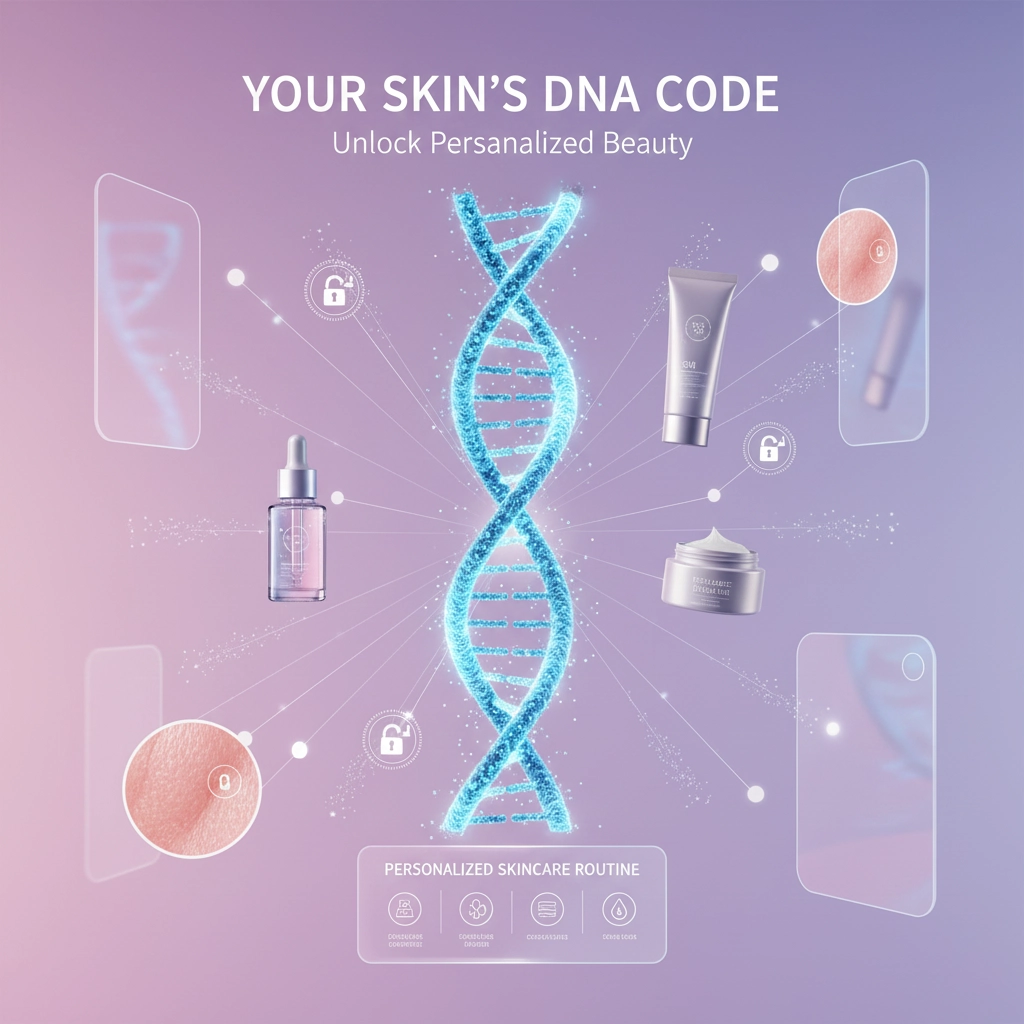
Your skincare routine is probably based on marketing, not science. You buy products labeled "for sensitive skin" or "anti-aging," hoping they'll work. But what if your skin needs completely different ingredients based on your genetic makeup? DNA-based skincare isn't science fiction anymore—it's a $6.82 billion market in 2024, projected to hit $11.84 billion by 2032[1][2].
This guide explains exactly how genetic skincare testing works, which companies actually deliver results, what DNA variants affect your skin, and whether personalized beauty routines based on your genetics are worth the investment.
What Is DNA-Based Skincare (And Why It's Exploding in 2025)
DNA-based skincare—also called cosmetogenomics or dermagenetics—uses genetic testing to analyze specific genes affecting your skin health[3][4][5]. Companies examine genetic markers (SNPs - single nucleotide polymorphisms) that influence collagen production, inflammation response, pigmentation, antioxidant capacity, and sun sensitivity[3][5][6].
The promise: Instead of trial-and-error skincare, you get products and routines tailored to your genetic strengths and weaknesses[4][7][8]. If your DNA shows predisposition to rapid collagen breakdown, you get peptide-heavy formulas. If you're genetically prone to hyperpigmentation, you get targeted melanin inhibitors[3][9].
Why it's growing fast:
- DNA sequencing costs dropped 99.9% since 2000[10]
- Consumers increasingly demand personalization (not generic products)[1][11]
- 60% of skin aging is genetic, 40% environmental[12][13]
- Clinical studies show 20-30% better results vs traditional skincare[3][14]
- Preventative approach appeals to Millennials and Gen Z[15][16]
The shift: From "one-size-fits-all" to precision skincare that addresses your biological reality[4][7][8].
The Science: How Your Genes Affect Your Skin
Your DNA contains instructions for every aspect of skin function. Variations in specific genes determine how your skin ages, responds to sun, produces collagen, handles inflammation, and more[3][5][17].
Key Genetic Markers Analyzed
1. Collagen Degradation (MMP1, COL1A1 genes)
What they do: MMP1 produces enzymes that break down collagen. COL1A1 affects collagen structure and production[3][18].
Genetic variants: Some people have SNPs causing faster collagen breakdown, leading to earlier wrinkles and loss of firmness[3][18][19].
Personalized approach: High-risk individuals benefit most from peptides, retinoids, and collagen-stimulating ingredients[3][18].
2. Antioxidant Protection (SOD2, GPX1, CAT genes)
What they do: These genes produce antioxidant enzymes that neutralize free radicals causing oxidative stress[3][20].
Genetic variants: Some people genetically produce fewer antioxidants, making them more susceptible to environmental aging[3][20].
Personalized approach: Low antioxidant producers need vitamin C, vitamin E, resveratrol, and niacinamide in higher concentrations[3][20].
3. Sun Sensitivity & Pigmentation (MC1R, IRF4, TYR genes)
What they do: MC1R affects melanin production and sun sensitivity. IRF4 influences freckling and skin pigmentation. TYR controls melanin synthesis[3][21][22].
Genetic variants: Determine baseline skin tone, sun damage risk, hyperpigmentation tendency, and melasma susceptibility[3][21][22].
Personalized approach: High-risk individuals need aggressive daily SPF, melanin inhibitors (kojic acid, tranexamic acid), and more frequent exfoliation[3][21].
4. Inflammation & Sensitivity (IL1A, TNF genes)
What they do: These genes regulate inflammatory response in skin[3][23].
Genetic variants: Some people are genetically predisposed to chronic inflammation, redness, rosacea, and sensitivity[3][23][24].
Personalized approach: High-inflammation types need calming ingredients (centella asiatica, niacinamide, azelaic acid) and should avoid harsh actives[3][23].
5. Glycation Resistance (AGE pathway genes)
What it does: Glycation occurs when sugar molecules bind to collagen, making it stiff and yellow (advanced glycation end-products)[3][25].
Genetic variants: Some people are more susceptible to glycation damage, accelerating skin aging[3][25].
Personalized approach: High glycation risk requires carnosine, aminoguanidine, and dietary sugar reduction[3][25].
6. Hydration & Barrier Function (FLG, AQP3 genes)
What they do: FLG (filaggrin) gene maintains skin barrier integrity. AQP3 controls water channels in skin cells[3][26].
Genetic variants: FLG mutations linked to eczema, dry skin, and compromised barrier function[3][26][27].
Personalized approach: Barrier-compromised skin needs ceramides, hyaluronic acid, and gentle, non-stripping cleansers[3][26].
How DNA Skincare Testing Actually Works
Most companies follow a similar process, though the number of genetic markers analyzed varies (8-50+ SNPs)[3][5][28].
Step 1: At-Home DNA Collection
Method: Cheek swab or saliva sample collected at home[28][29][30].
Time: 2-3 minutes[28].
Privacy: Companies claim HIPAA-compliant storage, but read privacy policies carefully[30][31].
Step 2: Laboratory Analysis
What happens: Lab sequences specific regions of your DNA to identify skin-related SNPs[3][5][28].
Markers tested: 8-50+ genetic variants depending on company[3][28][32].
Turnaround: 2-6 weeks for results[28][30].
Step 3: Genetic Skin Report
What you receive:
- Risk scores for collagen breakdown, oxidative stress, inflammation, pigmentation[3][28]
- Skin aging predictions (premature vs delayed)[3][33]
- Sensitivity and allergy risk assessments[28][34]
- Nutrient deficiency markers affecting skin[35][36]
Step 4: Personalized Product Recommendations
Options:
- Off-the-shelf products matched to your profile[28][30]
- Custom-formulated serums/creams made specifically for you[3][37]
- Lifestyle and dietary recommendations (nutrigenomics)[35][36][38]
Top DNA-Based Skincare Companies (Compared)
Not all genetic skincare services are created equal. Here's what actually differentiates them:
SkinShift (High-End Custom Formulation)
How it works: DNA test + advanced skin imaging equipment (RGB, polarized light, UV spectrum) + AI analysis[39].
Markers tested: Comprehensive genetic + visual skin profiling[39].
Products: Fully customized serums/creams formulated for your exact profile[39].
Cost: Premium pricing (typically $200-400 for testing + products)[39].
Best for: Those wanting maximum personalization and willing to invest[39].
EpigenCare (Skintelli Test)
How it works: DNA test analyzing 26 epigenetic markers across 8 skin functions[40].
Functions tested: Aging, firmness, elasticity, moisture, sun protection, rejuvenation, sensitivity, antioxidation, pigmentation[40].
Products: Personalized product recommendations from existing catalog[40].
Cost: Mid-range ($150-250)[40].
Best for: Those wanting detailed analysis with curated product selection[40].
SkinDNA
How it works: Tests 5 key categories using proprietary genetic markers + AI + stem cell technology[41].
Categories: Firmness/elasticity, glycation, free radical damage, sun damage/pigmentation, sensitivity/inflammation[41].
Products: Custom-formulated based on genetic data[41].
Cost: Mid-to-high range ($180-350)[41].
Best for: Anti-aging focus with scientific backing[41].
Genomelink (Accessible Entry Point)
How it works: Upload existing DNA data (23andMe, AncestryDNA) or order new test[42][43].
Analysis: Skin-related genetic traits from research literature[42][43].
Products: Educational reports + product recommendations (not custom formulations)[42][43].
Cost: Low ($20-50 for report if you have existing data)[42][43].
Best for: Budget-conscious consumers wanting insights without commitment[42][43].
ClarityX DNA
How it works: Comprehensive genetic test for skin health markers[44].
Focus: Collagen production, inflammation, hydration, antioxidant capacity[44].
Products: Ingredient recommendations + lifestyle modifications[44].
Cost: Mid-range ($120-200)[44].
Best for: Those wanting actionable genetic insights without custom products[44].
Does DNA-Based Skincare Actually Work Better?
The evidence:
Clinical studies show promising results:
- Personalized skincare targeting genetic risks showed 20-30% better improvements in wrinkles, roughness, and UV damage protection vs generic products[14]
- Luxury brands using DNA analysis reported 30% increase in customer satisfaction[45]
- Pigmentation treatments based on genetic markers showed 20-25% improvement within weeks[46]
- Chronic conditions (acne, eczema) responded better when treatment matched genetic factors[47]
The mechanism: When products target your actual genetic weaknesses (low collagen production, poor antioxidant capacity), they address root causes instead of surface symptoms[3][14][48].
Real-world feedback: Users report fewer wasted products, faster visible results, and better long-term outcomes[45][49].
The honest limitation: Most evidence comes from manufacturer studies, not independent clinical trials[50]. More peer-reviewed research is needed[50].
The Nutrigenomics Connection: Feeding Your Skin From Within
Genetics don't just determine what you put on your skin—they also influence how nutrients affect skin health[35][36][38].
Genetic Variants Affecting Nutrient Metabolism
Vitamin absorption: SNPs affect how efficiently you absorb and utilize vitamins A, C, D, E[35][36].
Omega-3 metabolism: Some people convert plant omega-3s poorly, requiring fish oil for skin inflammation control[35][36].
Collagen synthesis: Genetic variants affect vitamin C's role in collagen production[35][51].
Antioxidant pathways: Genes determine how effectively dietary antioxidants protect your skin[35][52].
Personalized Skin Nutrition Protocols
Based on genetic testing:
- Customized supplement regimens (collagen peptides, omega-3s, vitamins)[35][36][53]
- Dietary modifications (low glycemic for glycation-prone, anti-inflammatory for sensitive skin)[35][38]
- Gut-skin axis optimization (probiotics for acne-prone, leaky gut correction)[54][55]
- IV therapy for severe nutrient deficiencies affecting skin[56]
Clinical integration: Progressive aesthetic clinics now combine genetic skincare with personalized nutrition for comprehensive results[35][54][56].
Cost-Benefit Analysis: Is It Worth It?
The Investment
DNA testing: $50-400 depending on company and depth of analysis[28][30][39].
Custom products: $80-300+ per month for personalized formulations[39][40].
Total first year: $1,000-4,000 for premium services[39].
Potential Savings
Eliminated trial-and-error: Average person tries 8-12 products before finding what works ($400-800 wasted)[49][57].
Prevented skin damage: Early intervention based on genetic risk prevents expensive corrective treatments later[3][58].
Better efficacy: Products targeting genetic needs work faster, reducing total product usage[14][45].
Who Benefits Most
Strong candidates:
- People with chronic skin issues (acne, rosacea, eczema) not responding to standard treatments[47][59]
- Those with family history of premature aging or hyperpigmentation[3][60]
- High-value skin (models, actors, public figures)[61]
- Prevention-focused individuals (30s-40s starting anti-aging)[3][58]
- People frustrated by ineffective products and willing to invest in science[49][57]
Less beneficial for:
- Budget-conscious consumers (ROI unclear for everyone)[50]
- Those with already-effective routines[49]
- People unwilling to share genetic data[31][62]
Privacy & Ethical Considerations
Data ownership: Who owns your genetic skincare data? Read terms carefully[31][62].
Insurance implications: Could genetic skin data affect health insurance? (Currently unlikely, but regulations are evolving)[31][62].
Third-party sharing: Some companies sell anonymized data to research partners[31][62].
Data breach risk: Genetic data is permanent—once leaked, it can't be changed like a password[31][62].
Regulatory landscape: DNA-based cosmetics currently have less regulation than medical genetic testing[63][64]. Industry standards are still developing[63].
Best practices: Choose companies with clear privacy policies, HIPAA compliance, and transparent data usage[31][62].
Common Questions About DNA-Based Skincare
Q: Can genetic testing replace a dermatologist?
A: No[65]. DNA testing provides preventative insights, but dermatologists diagnose and treat active conditions[65]. Best results combine both[54][65].
Q: Will my results change over time?
A: Your DNA doesn't change, but epigenetic factors (lifestyle, environment) do[40][66]. Some companies offer epigenetic retesting every 6-12 months[40].
Q: What if I have sensitive skin—is testing safe?
A: DNA collection (cheek swab) is non-invasive and safe[28][30]. The test itself doesn't touch your skin[28].
Q: Can I use the data with other skincare brands?
A: Some companies provide ingredient lists you can use anywhere[44]. Others lock you into their product ecosystem[39][40].
Q: Is this just a marketing gimmick?
A: The science is real, but commercial applications vary in quality[50]. Look for companies citing peer-reviewed research and publishing clinical data[3][14][50].
The Verdict: Should You Try DNA-Based Skincare?
The science is legitimate: Genetics absolutely affect skin aging, collagen production, inflammation, and pigmentation[3][12][17]. Personalized approaches targeting genetic weaknesses show 20-30% better results than generic products[14][45].
The execution varies: Not all companies are equal. Some analyze 8 markers, others 50+. Some offer reports, others custom formulations[28][39][40].
The cost is significant: $1,000-4,000 first year for premium services[39]. Budget alternatives exist ($50-200 for testing only)[42][43][44].
Who should try it:
If you have chronic skin issues not responding to standard treatments, family history of skin problems, or you're frustrated by trial-and-error skincare—DNA testing provides actionable insights that could save time, money, and skin damage long-term[3][47][49][58].
If you're on a budget, have an already-effective routine, or are concerned about genetic data privacy—stick with traditional dermatology and evidence-based skincare ingredients[31][49][50].
The bottom line: DNA-based skincare is moving from luxury niche to mainstream option[1][2]. It won't replace good skincare fundamentals (SPF, retinoids, antioxidants), but it can optimize which formulations and concentrations work best for your biology[3][4][67].
Your genetics loaded the gun. Your environment pulls the trigger. DNA-based skincare helps you understand both—and intervene before damage becomes permanent[3][58].