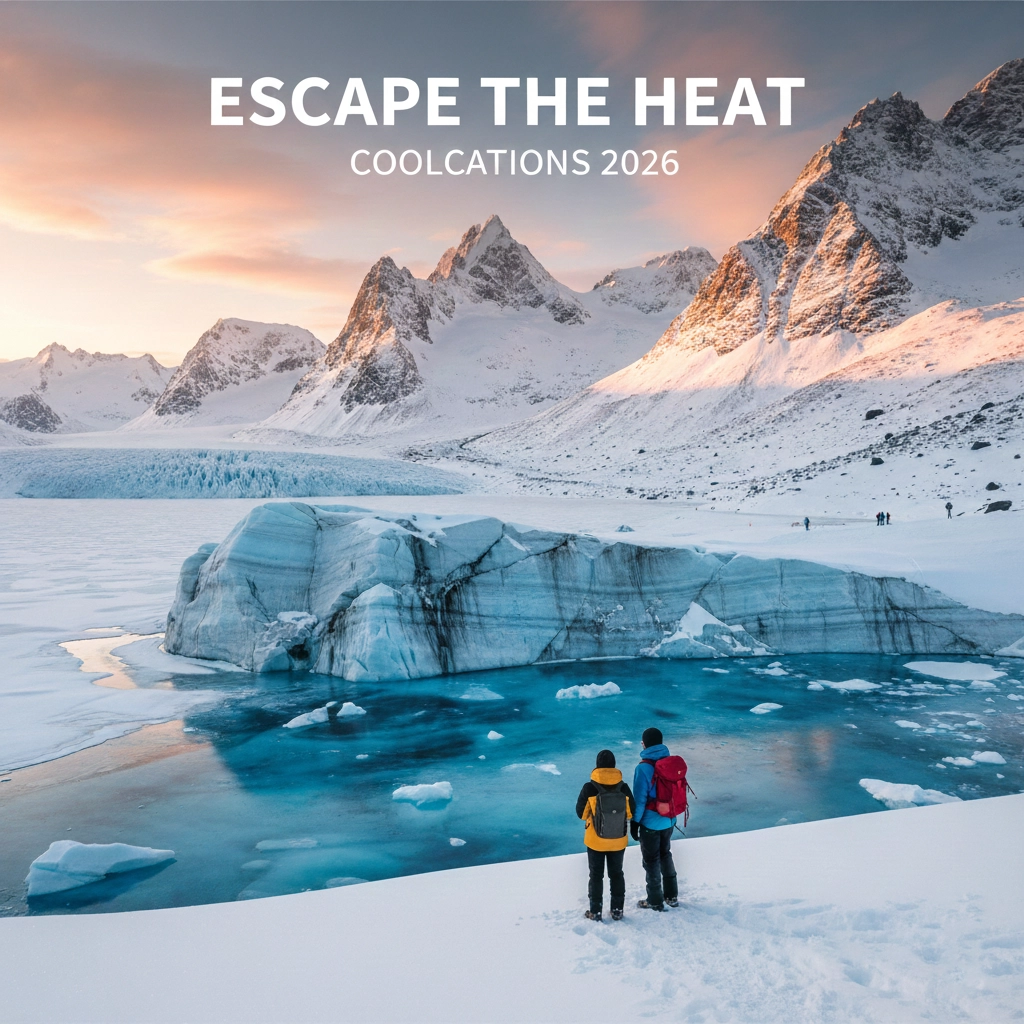
Coolcations are the winter travel trend dominating 2026[1]. Instead of chasing warm beaches, savvy travelers are embracing snow-covered landscapes, Arctic adventures, and world-class ski resorts for their winter getaways[2][3]. If you're tired of summer heat and seeking authentic cold-weather experiences, this comprehensive guide reveals the best coldcation destinations for 2026, complete with insider tips, activity breakdowns, and realistic cost comparisons[1][4][5].
What Are Coolcations? The Rise of Cold-Weather Travel in 2026
Coolcations represent a fundamental shift in winter travel preferences[1]. Instead of escaping to tropical beaches, travelers are actively seeking snow-covered destinations, Northern Lights experiences, and alpine adventures[2]. This trend exploded in 2025 and continues accelerating through 2026 as post-pandemic travelers crave authentic, immersive experiences[1][4].
Why coolcations are trending:
- Authentic winter experiences: Real snow, frozen landscapes, and genuine Arctic culture versus manufactured beach resorts[1][2]
- Off-peak pricing: Winter travel offers 30-50% lower accommodation costs than summer peak season[4][6]
- Fewer crowds: Iconic winter destinations see significantly reduced tourist numbers during winter[2][3]
- Northern Lights hunting: 2026 offers prime aurora viewing conditions across Arctic destinations[1][7]
- World-class skiing: 2026 Winter Olympics (Milano-Cortina) brings renewed interest in Alpine destinations[5][8]
- Social media appeal: Snow-covered landscapes outperform beach photos on Instagram and TikTok[1]
The coolcation movement is reshaping winter travel: Instead of viewing winter as travel's dead season, 2026 travelers treat it as peak adventure season[1][4].
Arctic Adventures: Experience the Northern Lights
Tromsø, Norway - The Northern Lights Capital
Location & Access: 200 miles above the Arctic Circle in Norwegian Lapland, Tromsø is arguably the world's premier Northern Lights destination[2][7]. Direct flights from major European cities make access straightforward[2].
Why Tromsø is unmissable: The city offers an intoxicating combination of Northern Lights viewing (with 68% sighting probability from September-March) plus vibrant urban culture[7]. Unlike remote Arctic bases, Tromsø buzzes with restaurants, museums, galleries, and cafes[2].
Must-do activities:
- Northern Lights hunting: Multiple nightly tours guarantee aurora viewing attempts[7]
- Dog sledding: Traditional Sami experience across Arctic tundra[2]
- Whale watching: Orcas and humpback whales migrate through Tromsø waters December-January[2]
- Snowshoeing: Explore Arctic wilderness on foot[2]
- Sami cultural tours: Learn indigenous traditions and visit reindeer herds[2]
Cost breakdown (per person, December-February): Accommodation $80-250/night, Northern Lights tours $80-150/tour, meals $60-120/day. Total estimated budget: $1,600-2,500 for 7 days[4][6].
Rovaniemi, Finland - Santa's Gateway to Arctic Magic
Location & Access: Capital of Finnish Lapland near the Arctic Circle, Rovaniemi is famous as "Santa Claus Village" but offers serious cold-weather adventures[1][3].
Unique Arctic experiences:
- Visit Santa Claus Village: Meet Santa in his official residence (yes, adults enjoy this)[1][3]
- Northern Lights viewing: Nearly identical aurora probability as Tromsø[7]
- Ice hotel stays: Sleep in beds made of ice in one of the world's most unique hotels[1]
- Husky dog sledding: Guide your own sled team through snowy forests[2][3]
- Cross-country skiing: Finland's national winter sport on pristine trails[3]
Cost advantage: Rovaniemi is 15-25% cheaper than Tromsø for equivalent experiences[4][6].
Alpine Skiing: 2026 Winter Olympics Spotlight
Cortina d'Ampezzo, Italy - Olympic Host & World-Class Terrain
2026 Winter Olympics Impact: Cortina hosts women's alpine skiing events in February 2026, making it the epicenter of global winter sports[5][8]. The Italian resort sits in the dramatic Dolomites, offering both Olympic-grade slopes and scenic beauty[5].
Why Cortina stands out:
- Olympic atmosphere: Experience world-class skiing infrastructure and events[5][8]
- Dolomites drama: Jagged limestone peaks create stunning alpine scenery[5]
- Cultural richness: Historic Italian mountain village with world-class cuisine[5]
- Multiple linked resorts: Access 1,200+ km of connected ski terrain across the Dolomites[5]
- Après-ski excellence: Legendary bars, restaurants, and nightlife[5]
Skiing experience levels: Cortina offers terrain for all abilities—greens for beginners, reds for intermediates, challenging blacks for experts[5].
Cost estimate (per person, February): Accommodation $100-300/night, lift passes $60-80/day, meals $80-150/day. Total for 7 days: $2,000-3,500[4][8].
Banff National Park, Canada - Natural Grandeur + World-Class Skiing
Location & Experience: Nestled in the Canadian Rockies, Banff combines luxury resort skiing at Lake Louise with frozen wilderness exploration[2][3][6].
Why Banff captivates visitors:
- Lake Louise Ski Resort: 1,645 vertical meters of varied terrain overlooking frozen alpine lake[6]
- Natural beauty unmatched: Mountain peaks, frozen waterfalls, pristine snow-covered forests[2][6]
- Non-skiing activities: Ice hotel stays, dog sledding, snowshoeing, cross-country skiing[2][6]
- Luxury hospitality: Fairmont Banff Springs and Fairmont Lake Louise offer world-class amenities[6]
- Nearby Jasper: Day trip to second Canadian Rockies treasure with fewer crowds[6]
Best feature: Perfect balance of outdoor adventure and luxury pampering[6].
Cost estimate (per person, January-February): Accommodation $120-400/night, lift passes $70-90/day, meals $70-130/day. Total for 7 days: $2,200-4,200[4][6].
St. Moritz, Switzerland - Alpine Elegance & Olympic Legacy
The Iconic Winter Destination: St. Moritz hosted Winter Olympics twice (1928, 1948) and remains the alpine gold standard[5][8]. This exclusive resort attracts royalty, celebrities, and serious skiers[5].
St. Moritz appeal:
- Impeccable slopes: 350 km of groomed runs across multiple mountains[5]
- Matterhorn views: Iconic peak frames scenic ski descents[5]
- Extreme luxury: Five-star hotels, Michelin-starred restaurants, haute couture shopping[5]
- Social scene: World's most glamorous après-ski atmosphere[5]
- Olympic venues: Bobsled, skeleton, and luge tracks available for public experience[5]
Reality check: St. Moritz is premium pricing (expect $800+/night accommodation, $500+/day expenses)[5][8].
European Coldcations Beyond Skiing
Budapest, Hungary - Thermal Baths in Winter Wonderland
The Unique Appeal: Budapest combines historic architecture, thermal bath culture, and winter charm for non-skiers seeking cold-weather romance[2][3].
Winter Budapest experiences:
- Széchenyi Thermal Bath: Soak in steaming geothermal pools while snow falls around you[2][3]
- Buda Castle snowfall views: Gothic architecture frosted in snow[2]
- Danube River frozen scenes: Picturesque winter landscape photography[2]
- Fisherman's Bastion: Panoramic city views enhanced by snow[2]
- Christmas markets: Hungarian holiday traditions extend through January[2]
Budget advantage: Budapest offers exceptional value—expect $40-80/night accommodation, $20-40/meals[4]. Total budget: $700-1,200 for 7 days[4][6].
Reykjavik, Iceland - Geothermal Wonders Meets Arctic Beauty
The Geothermal Paradise: Iceland's winter combines Northern Lights viewing with unique geothermal attractions[1][7].
Must-experience Iceland activities:
- Blue Lagoon geothermal spa: Bathe in steaming turquoise waters surrounded by volcanic rock[1][3]
- Northern Lights chasing: Multiple nightly tours across Iceland's dark skies[7]
- Golden Circle tour: Geysers, waterfalls, and tectonic plates in one epic drive[1][3]
- Glacier hiking: Walk on Vatnajökull and other massive ice formations[1]
- Ice cave exploration: Crystal-blue ice caves inside glaciers[1]
Cost estimate (per person): Accommodation $60-150/night, activities $100-200/day, meals $50-100/day. Total for 7 days: $1,400-2,800[4][6].
Hidden Gem Coldcations: Less-Known Winter Wonders
Cappadocia, Turkey - Snow on Fairytale Landscape
Off-Season Magic: Cappadocia's otherworldly fairy chimneys become even more surreal under snow[2][3]. Winter brings lower prices and thinner crowds[2].
Winter Cappadocia highlights:
- Snow-dusted fairy chimneys: Iconic rock formations enhanced by winter aesthetic[2][3]
- Hot air balloon rides: Operate year-round for aerial snow views[2]
- Underground cities: Kaymaklı and Derinkuyu stay comfortable year-round[2][3]
- Cave hotels: Sleep in ancient carved chambers while snow falls outside[2]
Value proposition: Cappadocia offers premium experience at budget pricing—$30-60/night cave hotels, $40-80/day total expenses[4].
Zakopane, Poland - Alpine Escape on Budget
The Budget-Friendly Alpine Option: Zakopane sits in the Tatra Mountains offering serious hiking, skiing, and mountain culture at fraction of Alpine prices[3][4].
Zakopane winter activities:
- Tatra skiing: Krupówki ski runs for all levels[3]
- Mountain hiking: Snow-covered trails through dramatic peaks[3]
- Cable car rides: Panoramic mountain views from Kasprowy Wierch[3]
- Warm mountain lodges: Traditional Polish hospitality and hearty cuisine[3]
Cost breakdown: Accommodation $30-60/night, lift passes $25-35/day, meals $15-30/day. Total for 7 days: $400-700—less than single night in St. Moritz[4][6].
Winter Activity Guide: What to Do During Coolcations
Skiing & Snowboarding
Skill levels available: All major coolcation destinations offer terrain for every ability[5][8]. Beginners start on green runs, intermediates progress to reds, experts tackle blacks[5].
Equipment rental: Professional rental equipment available everywhere, eliminating need to pack skis[5].
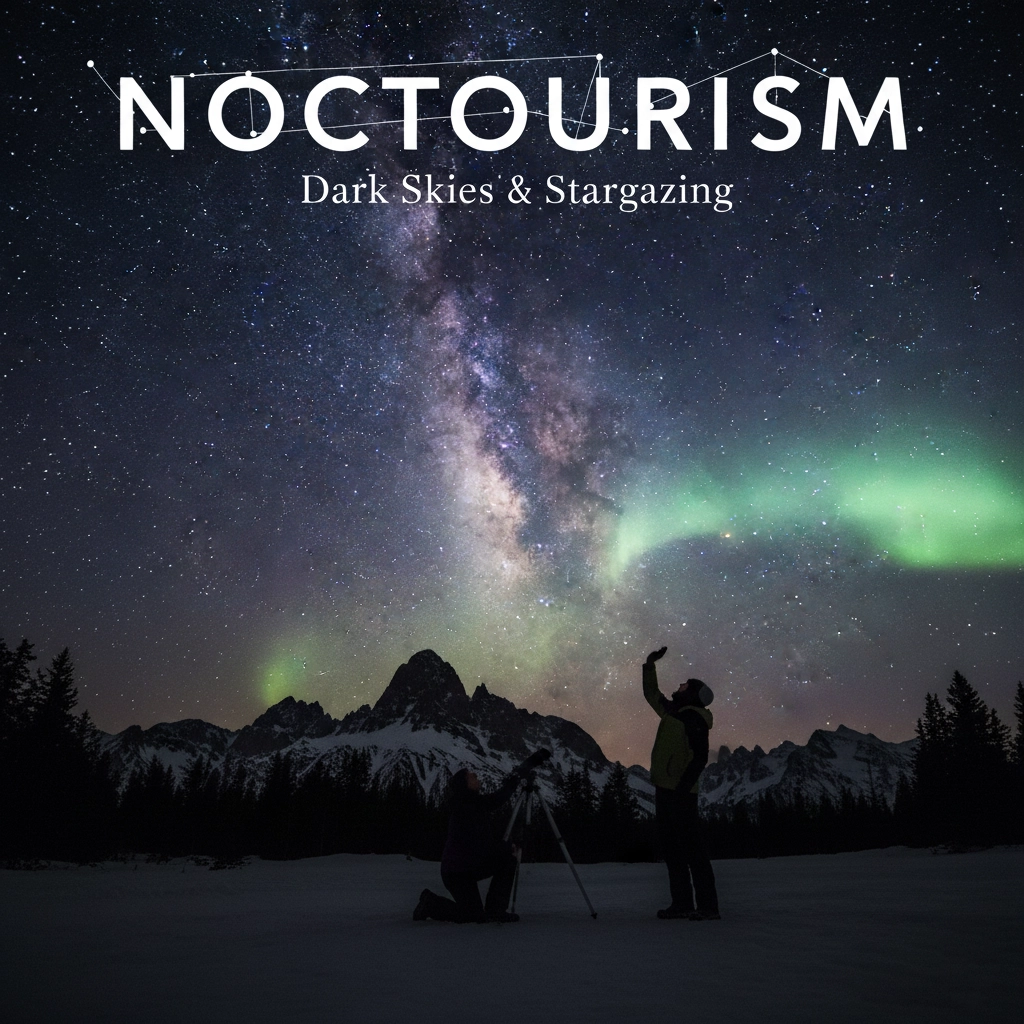
Northern Lights Hunting
Best viewing locations: Tromsø (68% success rate), Rovaniemi (67%), Reykjavik (60%)[7]. Tours operate nightly December-March[7].
Photography tips: Bring tripod for stunning aurora photos; professional guides maximize viewing odds[7].
Dog Sledding & Winter Sports
Authentic Arctic experiences: Dog sledding (Tromsø, Rovaniemi), husky racing, snowmobiling, ice fishing[2][3].
Thermal Baths & Wellness
Relaxation contrast: Soak in geothermal pools while surrounded by snow—unique winter wellness experience[1][2][3].
Coolcation Cost Comparison
Budget tier (under $100/day): Zakopane Poland, Budapest Hungary, Cappadocia Turkey[4][6].
Mid-range tier ($100-200/day): Reykjavik Iceland, Tromsø Norway, Rovaniemi Finland[4][6].
Luxury tier ($200+/day): St. Moritz Switzerland, Banff Canada, Cortina Italy[4][6].
When to Book Your Coolcation
Peak season: December 20-January 5 (holidays), February (Olympics coverage), February 15-March 1 (spring break)[5][8].
Value months: January 6-20, March 1-31 offer cheaper rates with good snow conditions[4][6].
Booking strategy: Reserve 2-3 months advance for better prices; early bookings (October-November) offer best value[4].
The Verdict: Why Coolcations Dominate 2026
Coolcations represent a travel paradigm shift: 2026 marks the year winter travel became aspirational rather than avoidable[1][4]. With Northern Lights visibility peaking, Winter Olympics excitement, and unprecedented snow reliability, cold-weather destinations offer unmatched value and authenticity[1][5][7].
The coolcation advantage: Lower prices, fewer crowds, incredible natural beauty, and genuinely memorable experiences outweigh any winter discomfort[1][4][6].
Stop thinking about winter as travel's dead season. Start planning your coolcation to 2026's best cold-weather destinations[1][4].